The "Second Screen" Evolution
How AI-powered apps are gamifying the viewing experience through real-time betting, polls, and social interaction

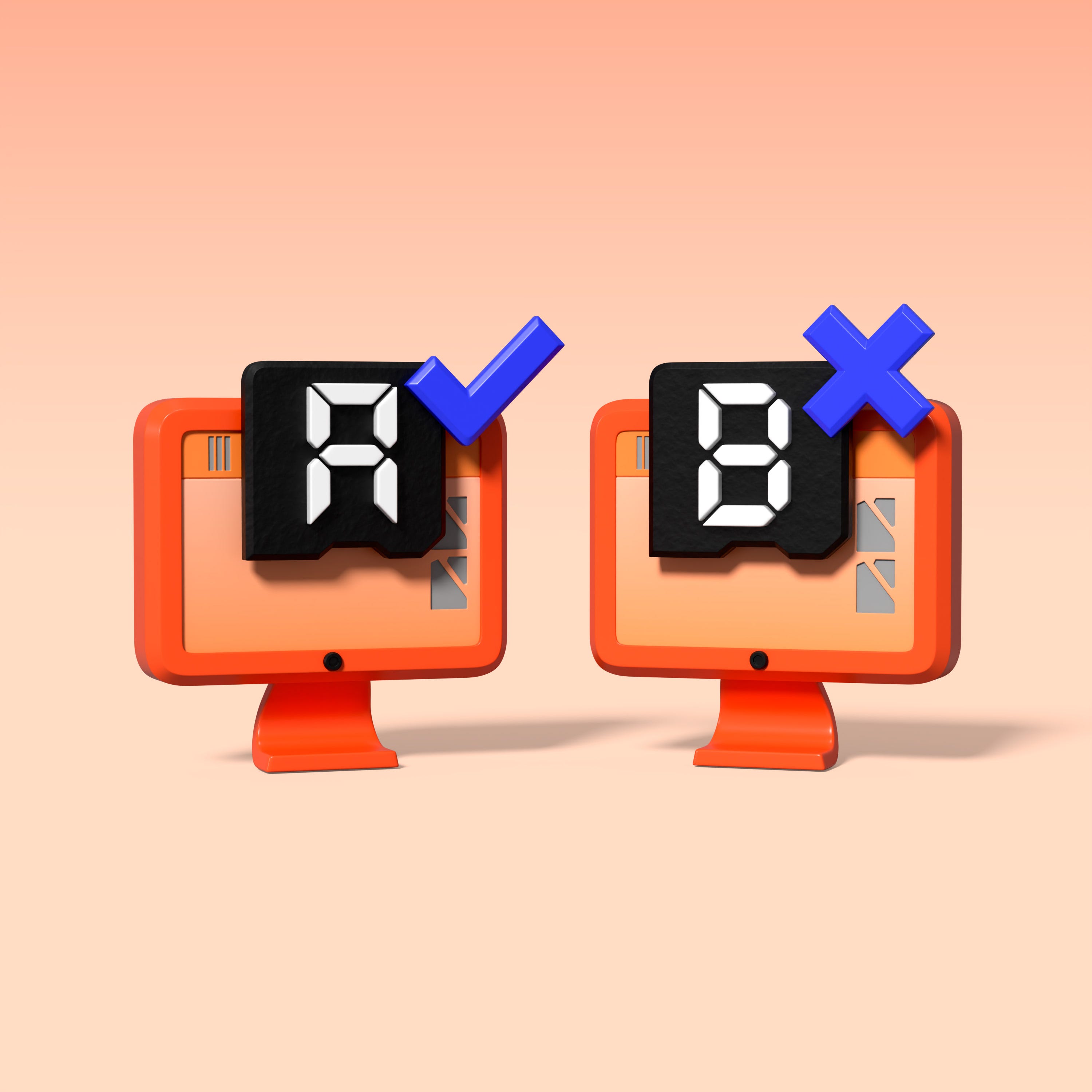
summary
The “Second Screen” evolution refers to the growing practice of utilizing an additional electronic device, such as a smartphone or tablet, while engaging with primary con- tent on a television. This phenomenon enhances viewer interaction and immersion, enabling audiences to access supplementary content, engage in real-time discus- sions, and participate in live polls, thereby transforming passive media consumption into an interactive experience.[1][2] The concept has gained notable traction since the early 2000s, coinciding with the rise of smartphones and social media, which have become integral to modern viewing habits.[3][4]
Notably, the second screen trend has implications across various industries, including entertainment, advertising, and content creation. As audiences increasingly expect interactive elements during their viewing experiences, businesses are adapting their strategies to capitalize on this shift. The trend is particularly prominent among younger demographics, with studies showing that up to 75% of users aged 18 to 34 regularly engage with second screens while watching television.[5][6] Furthermore, advancements in connectivity, such as the rollout of 4G and 5G networks, have fueled the development of more sophisticated second screen applications, enriching user experiences through augmented reality and synchronized content playback.[4]
However, the rise of second screening has not been without controversy. Critics argue that it can lead to decreased attention spans and cognitive overload, as viewers juggle multiple stimuli across devices, potentially impairing their ability to engage deeply with content.[7] Additionally, advertisers face challenges in effectively measuring engagement and optimizing their strategies in an increasingly fragmented media landscape.[8] As the second screen continues to evolve, it remains a pivotal force shaping how audiences consume and interact with media, driving innovations in content delivery and viewer engagement strategies.[9][10]
Historical Background
The concept of the “second screen” has evolved significantly since its inception, reshaping the way audiences interact with media. The term refers to the use of an additional electronic device, such as a smartphone or tablet, while watching primary content on a television. This practice enhances viewer engagement and creates a more immersive experience, allowing users to access supplemental content and interact with programming in real-time[1][2].
The origins of touchscreen technology, which underpins many second screen appli- cations, can be traced back to 1965 when E.A. Johnson invented what is generally considered the first finger-driven touchscreen at the Royal Radar Establishment in Malvern, England. Johnson’s patent, granted in 1969, introduced capacitive touch technology, enabling direct interaction with displays through touch, marking a revolu- tionary shift from traditional input methods like keyboards and punch cards[11]. This innovation laid the groundwork for the development of modern touchscreen devices that facilitate the second screen experience.
By the early 2000s, the proliferation of smartphones and tablets coincided with the rise of the internet and social media, creating a fertile environment for second
screen applications. The integration of interactive apps, live polls, and social media interactions became increasingly popular, transforming passive television viewing into an interactive engagement[3][2]. As viewers began to use these devices while consuming television content, a new cultural phenomenon emerged, characterized by synchronized content delivery and real-time audience participation.
Throughout the 2010s, the growth of second screen experiences was propelled by advancements in technology, including the rollout of 4G and later 5G networks, which enhanced connectivity and reduced latency. These technological improvemen- ts allowed for more sophisticated features, such as augmented reality overlays and synchronized content playback, which further enriched the viewer’s experience and deepened audience engagement[4][2].
Today, the second screen has established itself as an integral aspect of media con- sumption, with various industries adapting their strategies to incorporate interactive elements. As companies continue to innovate and refine second screen applications, the interplay between primary and secondary screens is expected to drive the
next era of interactive content, significantly impacting content creation, audience engagement, and advertising strategies[4][3].
Technological Advancements
The evolution of second screen applications has been significantly influenced by advancements in technology, particularly in the areas of connectivity and device capabilities. As the mobility-centered technological market has expanded, the rele- vance and adoption of second screen applications have surged, reshaping the way audiences interact with media content.[9]
Regional Adoption Trends
North America and Europe
In regions such as North America and Europe, second screen adoption has been particularly pronounced, driven by advanced infrastructure and a tech-savvy popu- lation. High disposable incomes in these areas facilitate engagement with premium content offerings, resulting in elevated levels of interaction with second screen applications.[4]
Asia-Pacific
Conversely, the Asia-Pacific region is witnessing rapid growth in second screen usage, fueled by digital transformation and a burgeoning middle class. The diverse cultural landscape has prompted innovative content adaptations, leading to localized interactive experiences that cater specifically to the audience’s preferences.[4]
Emerging Markets
Emerging markets are also experiencing a rise in second screen applications as global connectivity improves. Companies are increasingly tailoring solutions to meet the unique demands of these regions, often leveraging mobile-first strategies to capitalize on the growing penetration of smartphones and tablets as secondary devices for media consumption.[4]
Drivers of Growth
Several factors contribute to the ongoing expansion of the second screen market.
The proliferation of smart devices and rising broadband penetration have made it easier for users to access interactive content. Moreover, enhancements in user interfaces and the integration of artificial intelligence (AI) and data analytics have allowed platforms to dynamically tailor content to individual preferences, thereby
improving the user experience and providing marketers with valuable insights into viewer behavior.[4]
Future Perspectives
The second screen phenomenon is not merely a passing trend; it represents a transformative force in modern media. As companies continue to innovate and adapt, the synergy between primary and secondary screens is expected to drive a new era of interactive content that enhances viewer engagement and profitability. The incor- poration of privacy regulation compliance and data-driven targeting strategies will further shape the landscape of second screen applications in the coming years.[10]
Second Screen Usage
Second screen usage has gained significant momentum over the past decade, par- ticularly among younger demographics. It refers to the practice of using a secondary device, such as a smartphone or tablet, while watching television or engaging with another primary screen. This trend is prevalent across various age groups, but it is particularly pronounced among Gen Z and Millennials, with 75% of users aged 18 to 34 regularly using a second screen during their viewing experiences[5].
Demographics and Device Preferences
The devices most commonly used for second screening are smartphones, with 79% of second-screen users relying on them while watching TV[5][6]. Tablets, while less popular overall, are more frequently utilized among older viewers who may prefer larger screens. This shift towards second screens is geographically varied, showing higher adoption rates in North America and Europe—85% of internet users in the United States reported using a second screen in 2023, compared to 75% in Asia[5].
Impact on Advertising and Engagement
Second screen usage not only transforms how viewers consume content but also significantly impacts advertising strategies. Brands can engage audiences by en- couraging user-generated content, creating companion apps, and offering incentives through exclusive deals on second screens. For instance, brands can invite viewers to share photos or reviews while watching live broadcasts, fostering organic pro- motion[5]. Additionally, companion apps enhance viewer engagement by providing interactive features, such as live chats, augmented reality experiences, and shopping capabilities, allowing users to connect with brands in real-time[12].
Trends and Future Outlook
The future of second screen usage looks promising as technology continues to evolve. A majority of internet users—86%—report using an additional screen while watching programs, with 55% engaging in social networking and 35% browsing or shopping online during their viewing time[5][6]. These statistics suggest that second screens are becoming integral to the viewing experience, enhancing interactivity and engagement.
Moreover, the trend of integrating interactive content, such as real-time statistics during sports broadcasts and social media discussions, is set to enrich viewer experiences further. This approach not only transforms passive watching into active participation but also fosters a sense of community among viewers, enhancing their overall engagement with the content[13][3]. As content creators continue to explore innovative ways to utilize second screen technology, the potential for deeper audience connection and improved advertising effectiveness will likely expand.
Impact on Content Creation
The advent of the second screen phenomenon has significantly influenced content creation across various media platforms. Content creators are increasingly adopting interactive elements and social media strategies to enhance viewer engagement, ad- dressing the multitasking behaviors of modern audiences[13]. As viewers frequently utilize secondary devices—such as smartphones and tablets—while consuming primary media, this trend has opened new opportunities for enriching storytelling and advertising.
Enhanced Engagement through Interactivity
The integration of second screen technology allows for a more immersive viewing experience. For instance, viewers can access real-time statistics during sports even- ts, participate in live polls, or delve deeper into character backgrounds during TV series. This transformation of passive watching into an interactive experience not only keeps audiences engaged but also facilitates live discussions, significantly enhancing viewer retention[13][3].
Gamification and Interactive Content
Content creators are leveraging gamification strategies to captivate audiences. This involves designing interactive content specifically for second screens, such as behind-the-scenes footage or real-time analyses during broadcasts. By offering additional personalized content, creators can maintain viewer interest and pro- vide a compelling reason to remain engaged throughout a show or event[14]. The audience-centric approach also enables broadcasters to gather valuable insights into viewer behavior, which can inform future content strategies and foster deeper connections with audiences[14].
Challenges and New Narratives
Despite the potential benefits, the second screen environment presents challenges for content creators. The competition for viewer attention has intensified, as au- diences now juggle multiple interactive options, including social media platforms and gaming applications[14][3]. Writer advocates have raised concerns about the economic pressures and uncertainties introduced by streaming services, which may hinder creative risks and narrative innovation[15]. As the industry evolves, content creators must adapt to this landscape, balancing interactivity with storytelling in- tegrity.
Audience Engagement and Narrative Structure
The impact of second screen usage extends to narrative structures as well. Con- tent creators are increasingly incorporating synchronized content delivery—such as real-time fact pop-ups and character bios—timed to align with on-screen events. This technique not only enriches the narrative but also enhances audience understanding and engagement[3]. Additionally, features like choose-your-own-adventure elements and virtual reality experiences provide viewers with unique ways to interact with content, further solidifying their emotional investment in the storyline[3].
Future Prospects
As the second screen market continues to grow—projected to reach approximately USD 12.1 billion by 2033—content creators will likely innovate further, developing new forms of interactive storytelling and advertising[4]. The synergy between primary and secondary screens is poised to reshape the future of media consumption, driving a new era of creative possibilities that prioritize viewer engagement and interactivity.
Challenges and Criticisms
The evolution of second-screen viewing has brought about several challenges and criticisms, particularly concerning its impact on attention and cognitive engagement. While second-screening is often seen as a way to enhance viewer experience, studies indicate that it may lead to decreased focus and retention of information. The act of simultaneously engaging with multiple screens can increase cognitive load,
which might diminish factual recall and attention span due to constant task-switching and fragmentation of attention[7].
Psychological Effects
The psychological implications of second-screening suggest that, although it may provide a sense of comfort or productivity, it can exacerbate stress and lead to feelings of information overload[7]. The competing stimuli from different screens may hinder emotional regulation and the ability to engage in deep thinking, which are essential for meaningful content consumption. This multitasking illusion can create physical issues such as eye strain and neck pain, further complicating the viewing experience[7].
Marketing and Data Utilization Challenges
From a marketing perspective, while second-screening offers additional data on consumer behavior, it also poses challenges for advertisers trying to optimize their strategies. The increased media fragmentation makes it difficult to accurately gauge the effectiveness of campaigns across various platforms[8]. As the landscape con- tinues to evolve, marketers must consider how to balance client investments while navigating the complexities introduced by multi-screen usage[8].
Engagement vs. Overexposure
Another significant concern relates to frequency management in ad-supported envi- ronments. Overexposure to advertisements can frustrate viewers, leading to negative perceptions of brands[10]. Although programmatic tools aim to mitigate this by cap- ping impressions per household, there remains a delicate balance to strike between effective engagement and viewer fatigue[10]. Advertisers are encouraged to prioritize ad-supported streaming inventory while ensuring their messaging remains fresh and engaging to avoid overwhelming audiences[10].
Transparency and Measurement Issues
The use of artificial intelligence in optimizing ad placements introduces further complications. Brands often lack visibility into the decision-making processes of pro- prietary AI models, which can lead to inefficient ad spending and eroded consumer trust[10]. The absence of unified measurement standards between Connected TV (CTV) and traditional TV creates additional barriers, making it challenging to compare performance and efficacy across different viewing formats[10][16]. As the industry pushes for greater transparency and effectiveness in advertising, these issues must be addressed to maximize the potential benefits of second-screen viewing.
Future Trends
The evolution of second-screen experiences is poised for significant transformation as technological advancements continue to emerge. One key trend is the integration
of augmented reality (AR) and virtual reality (VR) features, which promise to offer more immersive and engaging user experiences. For example, AR overlays can enhance the viewing experience by providing additional information and interactive elements that are synchronized with the main content, such as live sports statistics or behind-the-scenes insights during television broadcasts[2][17].
Moreover, the rise of artificial intelligence (AI) is expected to revolutionize the per- sonalization of second-screen interactions. By leveraging AI algorithms, platforms can deliver tailored content that aligns with individual viewer preferences, thereby enhancing engagement and satisfaction. This includes personalized recommenda- tions during live events or customized shopping experiences via second-screen applications[18][19].
As the landscape of social media continues to evolve, it will play a crucial role in shaping second-screen strategies. The integration of real-time social interac-
tions—such as live polls, chats, and community engagement—will likely deepen audience connection and create a more dynamic viewing environment[2][18]. Ad- ditionally, companies are focusing on creating unified platforms to streamline the user experience, reducing the fragmentation often associated with managing multiple apps during second-screen usage[18].
The global reach of second-screen technology is also expanding, particularly in emerging markets where improved connectivity is driving increased adoption. This trend suggests that the cultural diversity in these regions will inspire innovative con- tent adaptations and interactive experiences tailored to local audiences[4]. Overall, the future of second-screen experiences is characterized by a blend of advanced technology, personalized content delivery, and enhanced viewer engagement, shap- ing how audiences interact with digital content across multiple devices.
References
: Exploring the Evolution of Second-Screen Video Streaming - CacheFly
: Historical Timeline Touchscreen: Complete Guide to Hardware ...
: 12.3 Second screen experiences - Television Studies - Fiveable
: Second screen and information: history, definition and clues for the ...
: Rise Of Second Screen Viewing | Statistics and Trends - GO-Globe
: The Power of Second Screening: Engaging TV Viewers ... - Choicely
: Going beyond second screen to fully immersive TV show engagement
: Too distracted to watch? Netflix’s ‘second-screen’ shows may be ...
: How marketers are reaching audiences on second screens through ...
: Second Screen, First Priority: Meeting Modern Fans’ Expectations